

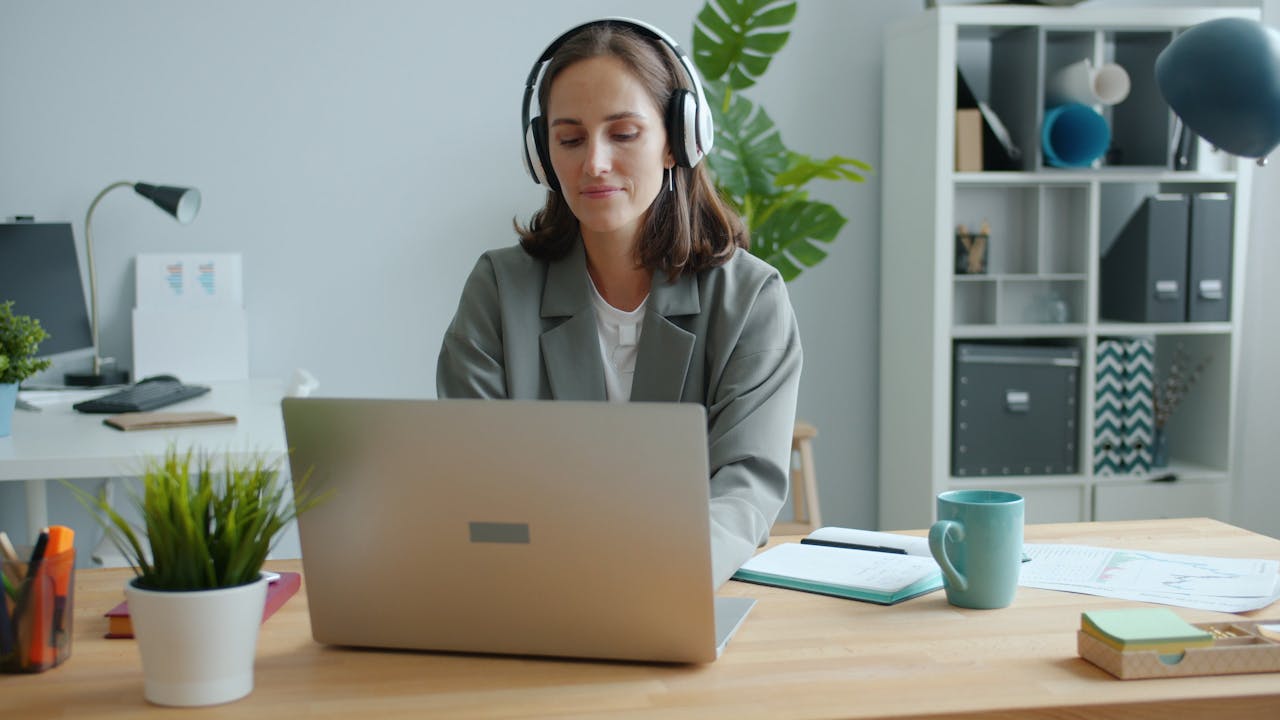
Flexible remote work opportunities have become increasingly common as technology changes how people communicate and perform professional responsibilities. Remote work allows individuals to complete tasks outside traditional office environments while maintaining connection through digital platforms and online systems. Flexibility within these arrangements may involve adjustable schedules, location independence, or varied working structures. This shift reflects broader changes in workplace expectations and organizational practices. As businesses and workers adapt to evolving professional environments, flexible remote work becomes a more prominent part of modern employment structures.
The Influence of Technology on Work Accessibility

Advancements in communication and collaboration technologies play a major role in supporting remote work. Video conferencing platforms, cloud-based systems, and digital project management tools allow employees to remain connected regardless of physical location. These technologies support real-time communication and access to shared information, making remote collaboration more practical across different industries. As digital infrastructure improves, the barriers associated with working outside a traditional office continue to decrease.
Changing Priorities Around Work and Daily Life
Many individuals are placing greater emphasis on balancing professional responsibilities with personal routines and lifestyle preferences. Flexible remote work arrangements provide more control over how time is structured throughout the day. This flexibility can influence commuting patterns, household responsibilities, and the organization of daily activities. The ability to adjust work schedules or locations allows individuals to align professional tasks with broader lifestyle considerations. These changing priorities contribute to why more people view flexible remote opportunities as a practical alternative to fixed workplace structures.
The Role of Geographic Independence
Remote work reduces the need for employees to be close to a central office. This geographic independence allows individuals to live in areas that better match their personal, financial, or environmental preferences while maintaining professional responsibilities. Businesses may also access a wider range of talent without limiting recruitment to a specific region. The reduced connection between workplace location and employment opportunities changes how both organizations and workers approach hiring and career planning. Geographic flexibility, therefore, becomes an important factor influencing the rise of remote work arrangements.
Evolving Workplace Expectations and Organizational Structures
Workplace expectations continue to evolve as organizations explore different operational models. Many businesses now recognize that productivity and collaboration can occur across distributed teams supported by digital systems. Flexible remote work structures allow companies to adapt to changing workforce preferences while maintaining operational continuity. Employees increasingly expect greater autonomy in how they complete their work, and organizations are adjusting policies to reflect these expectations. This evolution in workplace culture contributes to the continued growth of flexible remote employment opportunities across multiple sectors.
More people are choosing flexible remote work opportunities due to advances in technology, changing lifestyle priorities, geographic independence, and evolving workplace expectations. These arrangements provide alternatives to traditional office-based employment by allowing greater adaptability in how and where work is completed. As organizations and workers continue adjusting to modern professional environments, flexible remote work remains an increasingly significant part of the employment landscape. Understanding these factors highlights why this shift continues to expand across different industries and roles.…
 Make it a priority to respond to comments on your videos. Take the time to genuinely interact with your audience by replying to their thoughts, questions, and feedback. This not only shows that you value their input but also helps create a sense of community around your channel. Consider hosting live streams or Q&A sessions where you can directly connect with your subscribers in real time. These interactive sessions provide an opportunity for them to get to know you better and vice versa. It’s a chance for meaningful conversation and learning from each other.
 Make sure you have a strong presence on the platforms that resonate with your target audience. It’s essential to choose the right platforms based on factors such as demographics and interests. By doing so, you increase your chances of reaching out to potential connections effectively. Once you’ve identified the appropriate platforms, focus on creating engaging content that aligns with your brand or niche. Share valuable insights, behind-the-scenes footage, or even exclusive offers to keep your existing subscribers interested and attract new ones. Engagement is key when using social media strategically.

 Faxing remains one of the most secure methods of communication. The data transmitted is encrypted and has multiple layers of authentication, making it hard for hackers to infiltrate. This security is why government bodies and healthcare organizations have widely used faxing since its inception in 1843. It also means that businesses that are legally required to provide secure information – such as financial institutions – can still rely on faxing to send sensitive information.